If you are following the latest cultural events, you might know that the British Museum in London is currently captivating the world with its incredible exhibition on Japan’s Samurai history. Admiring their intricate armor, razor-sharp katana, and historical artifacts safely behind glass cases is truly a breathtaking experience.
But as a local cyclist and history enthusiast living in Nagano, Japan, I have a secret to share with you: the world of the Samurai isn’t just a museum exhibit. Here in Nagano, it is a living, breathing landscape that you can still touch and experience today.
If the exhibition in London sparked your curiosity about feudal Japan, let me take you on a visual journey through the real-life stages where these warriors lived, fought, and traveled.
Matsumoto Castle: The Unyielding “Crow Castle”
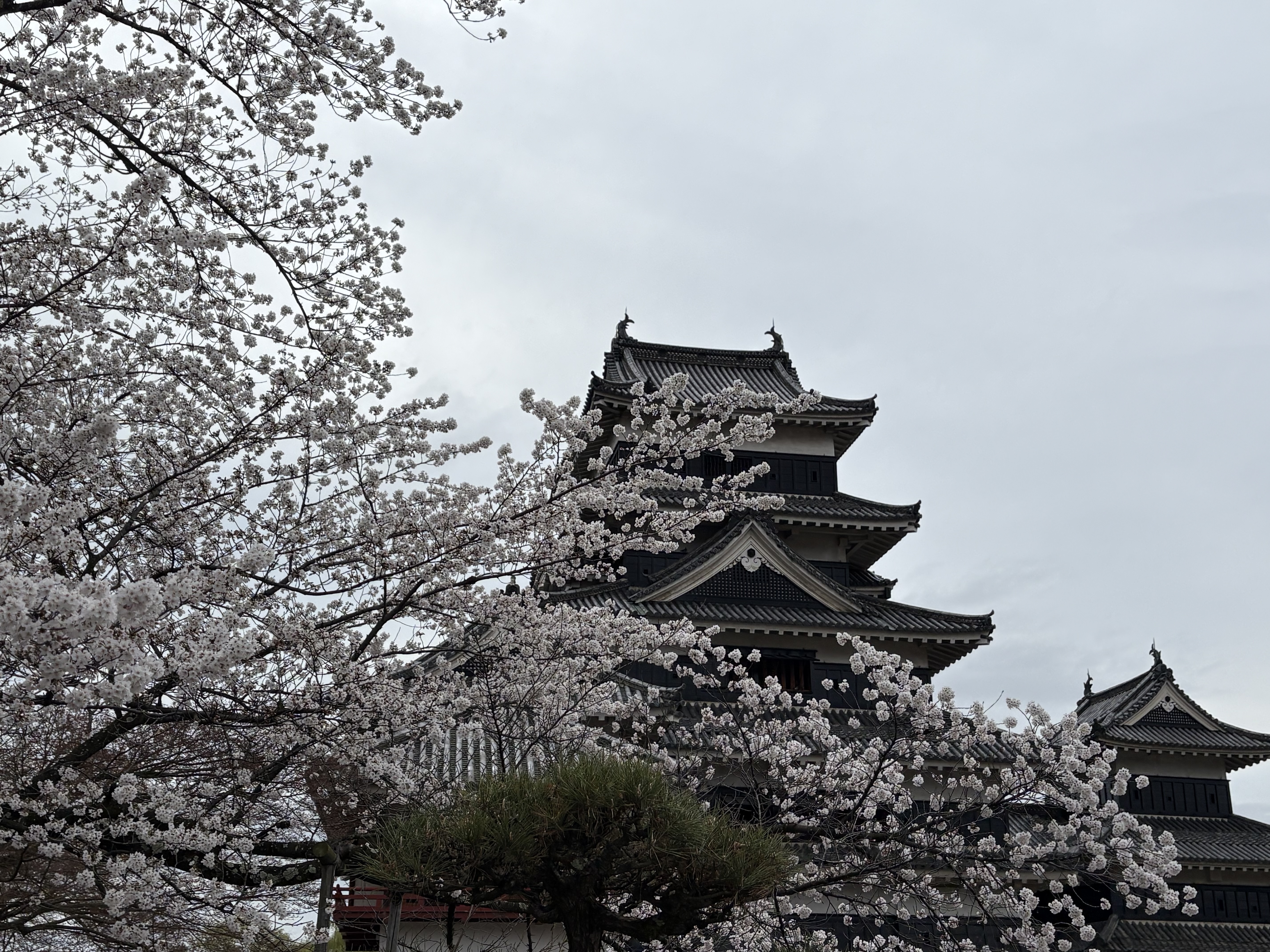
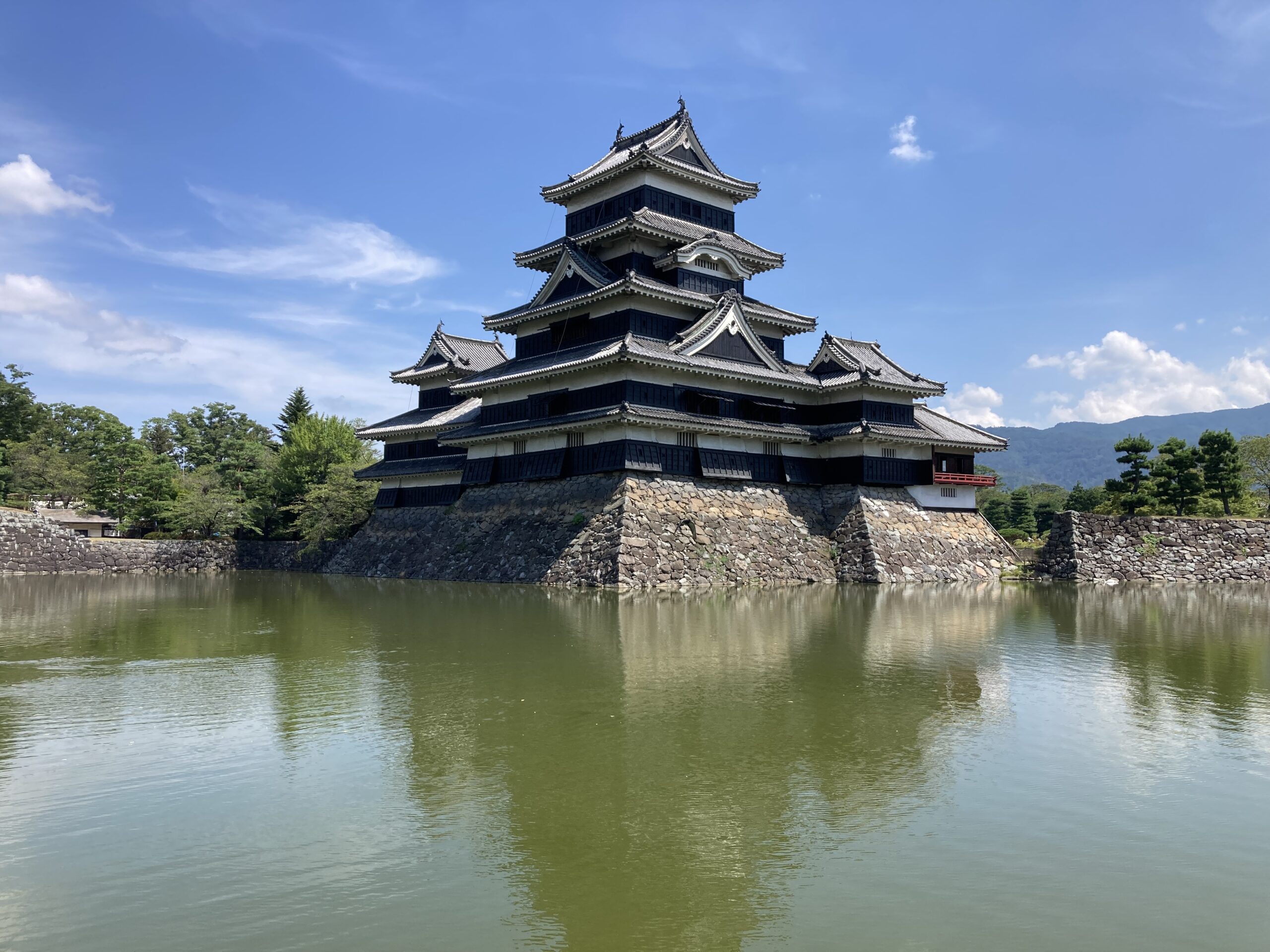
While many castles in Japan are modern concrete reconstructions, Matsumoto Castle is the real deal. It is one of Japan’s premier historic castles, retaining its original wooden interior and external stonework from the 16th century.
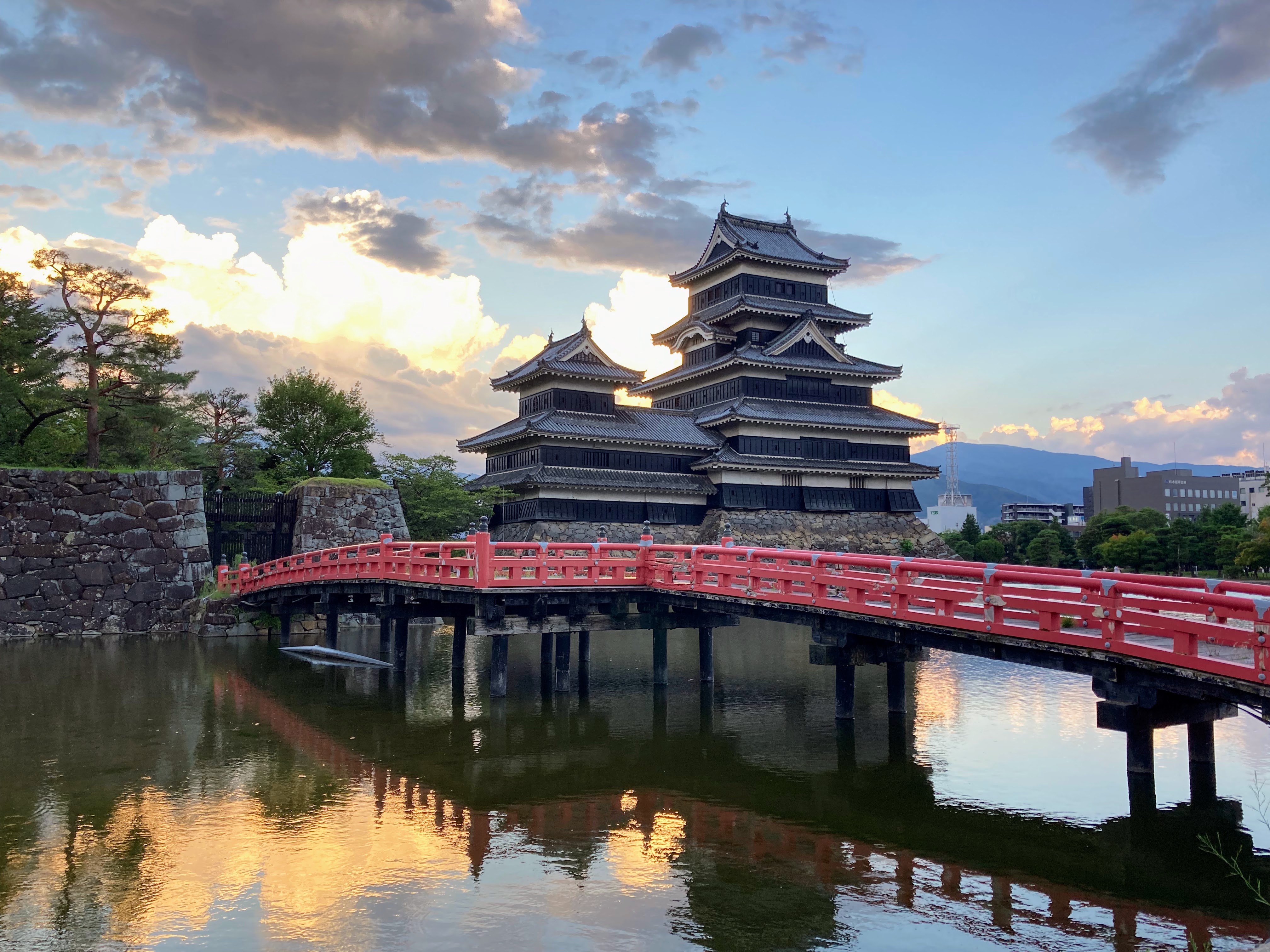
Known as “Karasu-jo” (the Crow Castle) due to its striking black exterior, it was designed for war. When you step inside, you don’t find spacious, comfortable halls. Instead, you find steep, narrow wooden stairs designed to slow down attackers, and cold, polished wooden floors where Samurai once stood with matchlock guns.
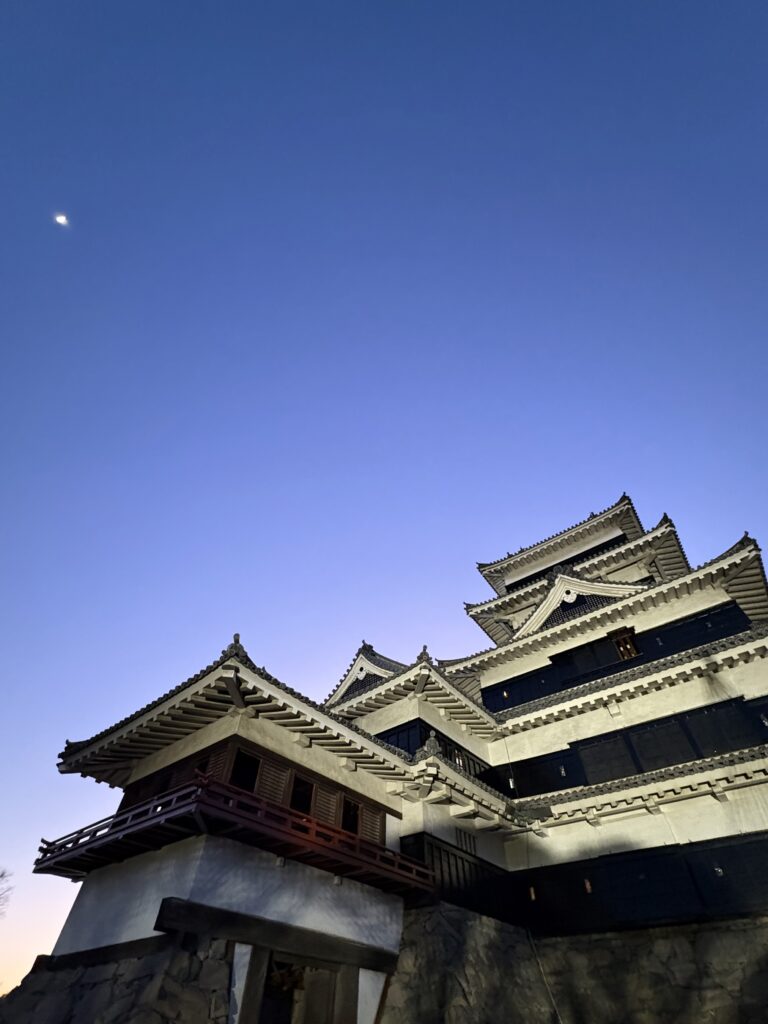
Standing before its imposing silhouette at dusk, it’s easy to imagine the weight of the armor you saw in London actually being worn by the men who guarded these very walls.
The Nakasendo Trail: A Time Machine to Feudal Japan
The Samurai didn’t just stay in their castles. They had to travel across the mountainous terrain of Japan. The Nakasendo was one of the five ancient highways connecting the imperial capital of Kyoto with the Shogun’s seat of power in Edo (modern-day Tokyo).
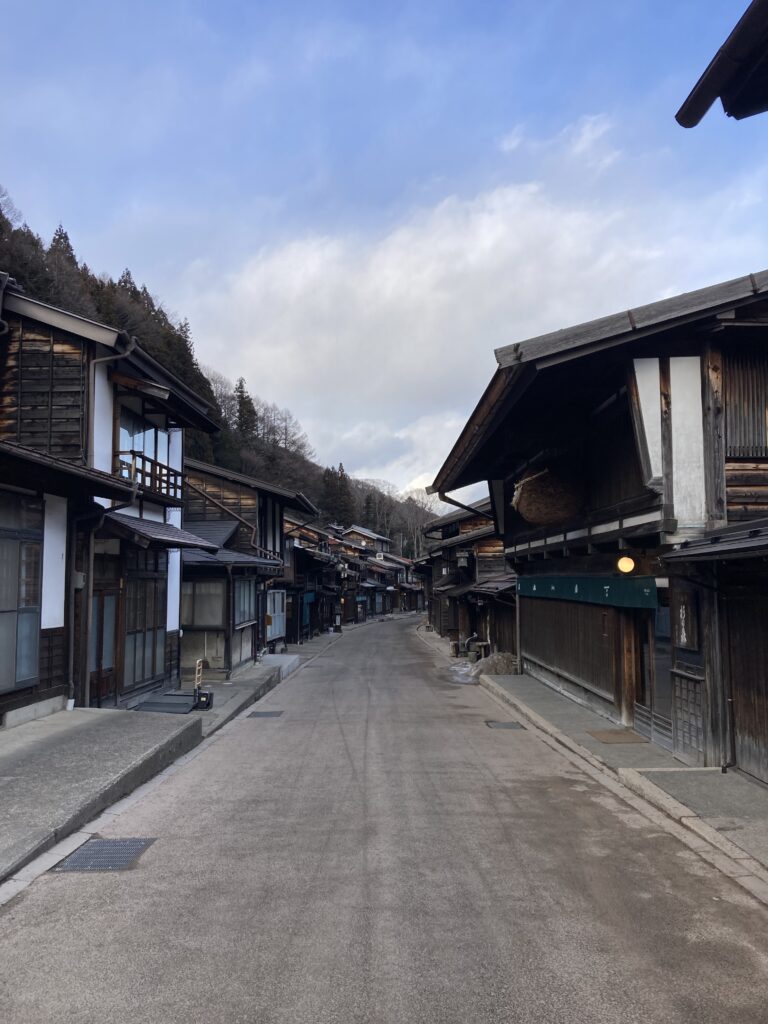
Forget the bullet trains and neon-lit streets of Tokyo. When you walk through the preserved post towns along the Nakasendo in Nagano, you are stepping into a time machine. The wooden facades, the narrow streets, and the surrounding deep forests remain largely unchanged. Navigating this very geography, you begin to understand the physical resilience of the daimyos (feudal lords) and their Samurai retainers who traversed this exact route centuries ago.
Beyond the Guidebooks: Nagano’s Hidden Historic Towns
The British Museum highlights famous locations like Matsumoto and the Nakasendo, and they are absolutely worth your time. However, the true magic of Nagano lies in the places that haven’t made it into international guidebooks yet.
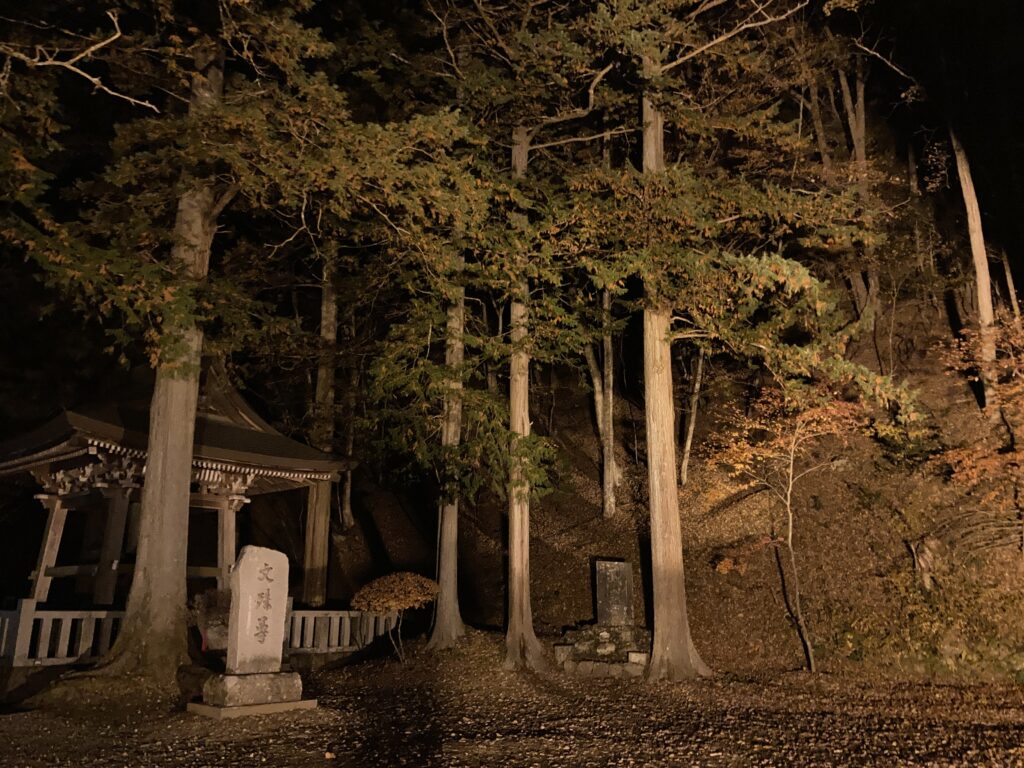
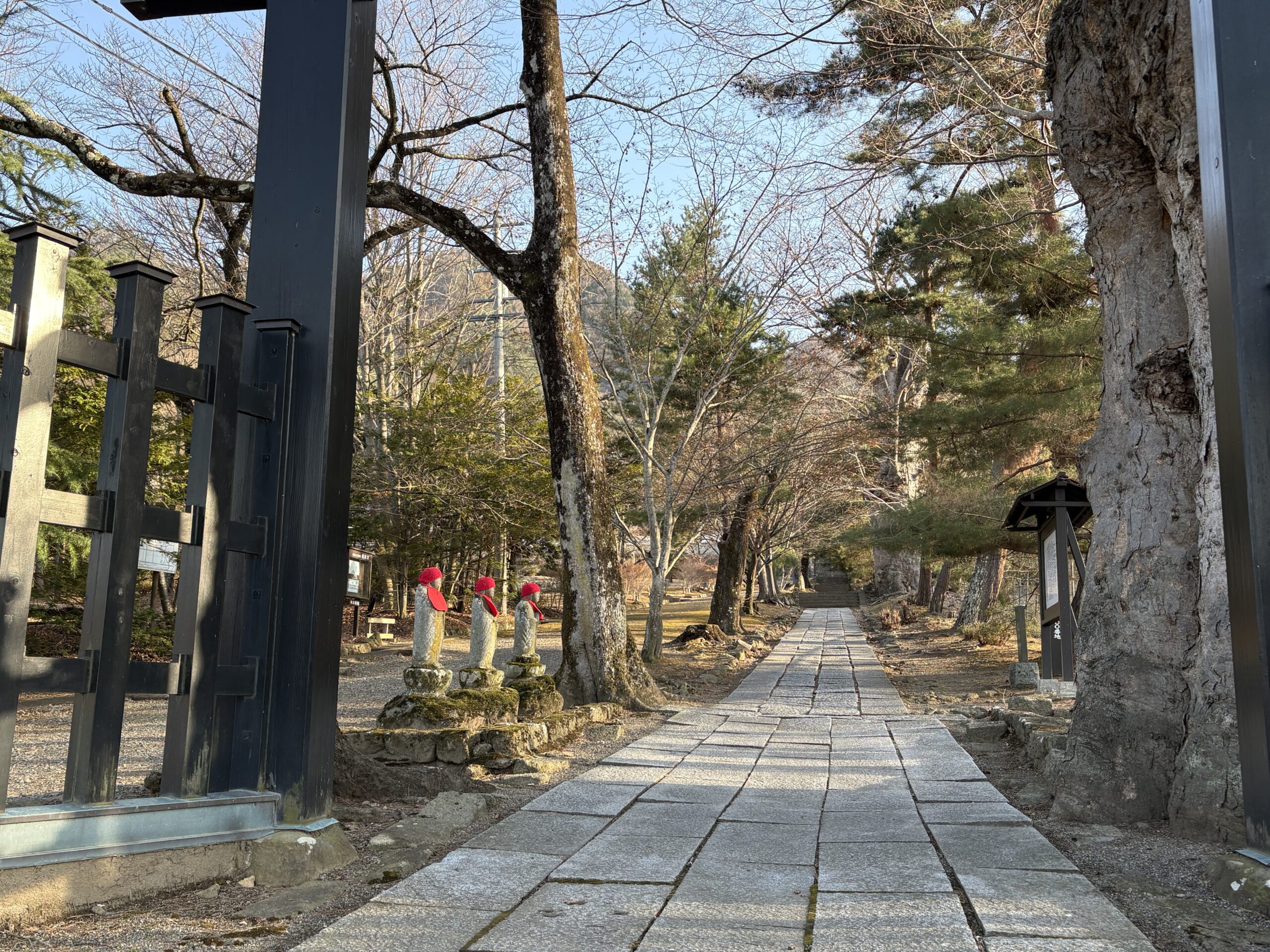
Because of its mountainous, secluded geography, Nagano is filled with ancient hot spring villages and forgotten post towns that have remained virtually unchanged for centuries. Look at this moss-covered cobblestone path in Kakeyu Onsen, a quiet historic hot spring town historically used for healing. There are no crowds here. Walking or riding a bike through these untouched streets, surrounded by deep forests, you can truly feel the stillness and the physical reality of feudal Japan.
The Ultimate Samurai Journey Awaits
The artifacts in London are magnificent. But if you want to understand the true atmosphere and spirit of the Samurai, you have to experience the geography that shaped them.
I explore these hidden ancient routes by bike, mapping out the ultimate paths through feudal Japan. I’m currently working on discovering the best, untouched cycling routes—from the famous Nakasendo and Matsumoto areas to the secret historical towns only locals know about.
If you want to discover the real, undiscovered beauty of Nagano’s historical trails, follow my journey on Instagram
Let’s explore the living, breathing history of Japan together.